Culture & Etiquette

🙏 Culture & Etiquette in Bali

Understanding Bali’s traditions and customs helps you connect more deeply with the island and its people.

Bali is more than just a beautiful destination — it’s a living, breathing culture with deep spiritual roots. The Balinese people are warm, kind, and welcoming, and part of what makes the island so special is the strong connection between daily life and centuries-old tradition. As a visitor, taking the time to understand the local way of life not only shows respect, but it will also enrich your entire experience here.
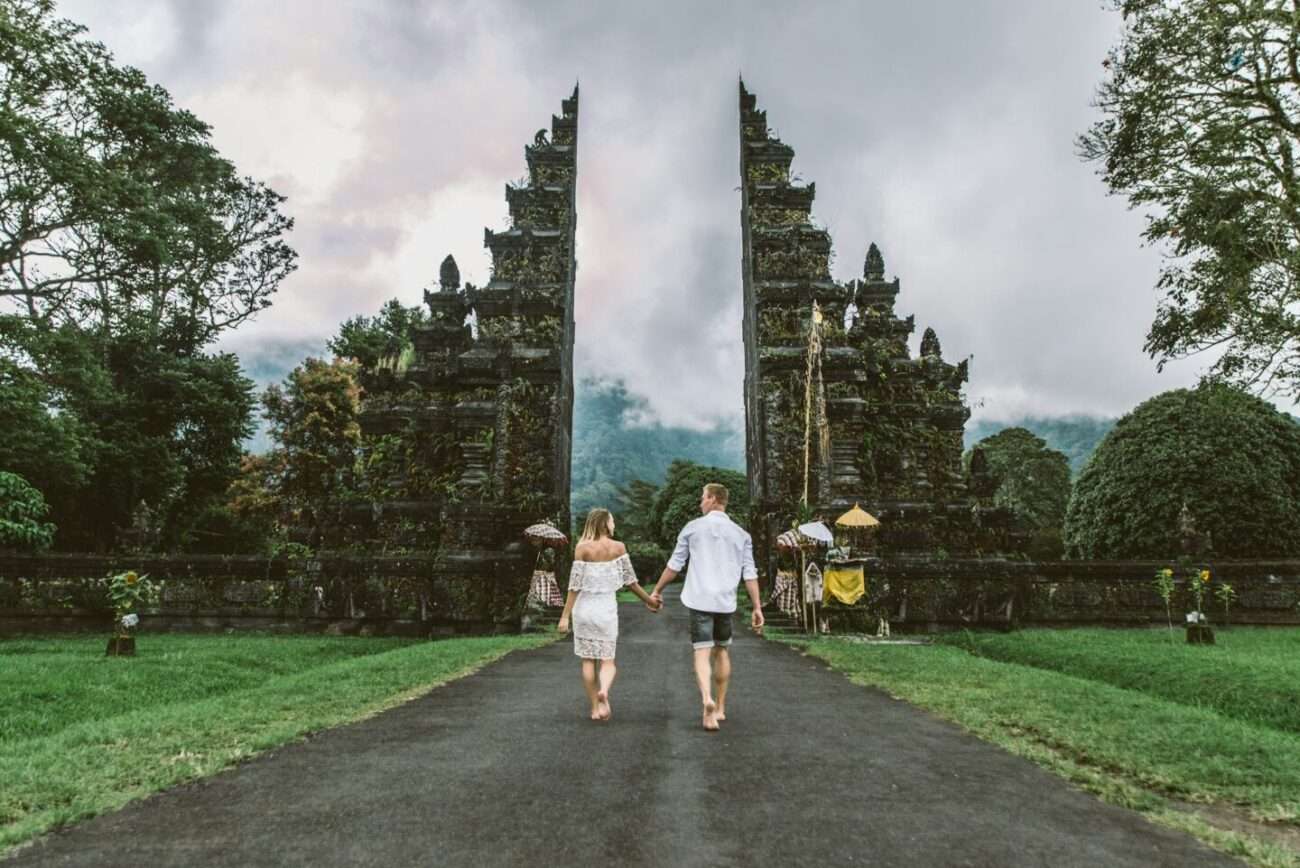
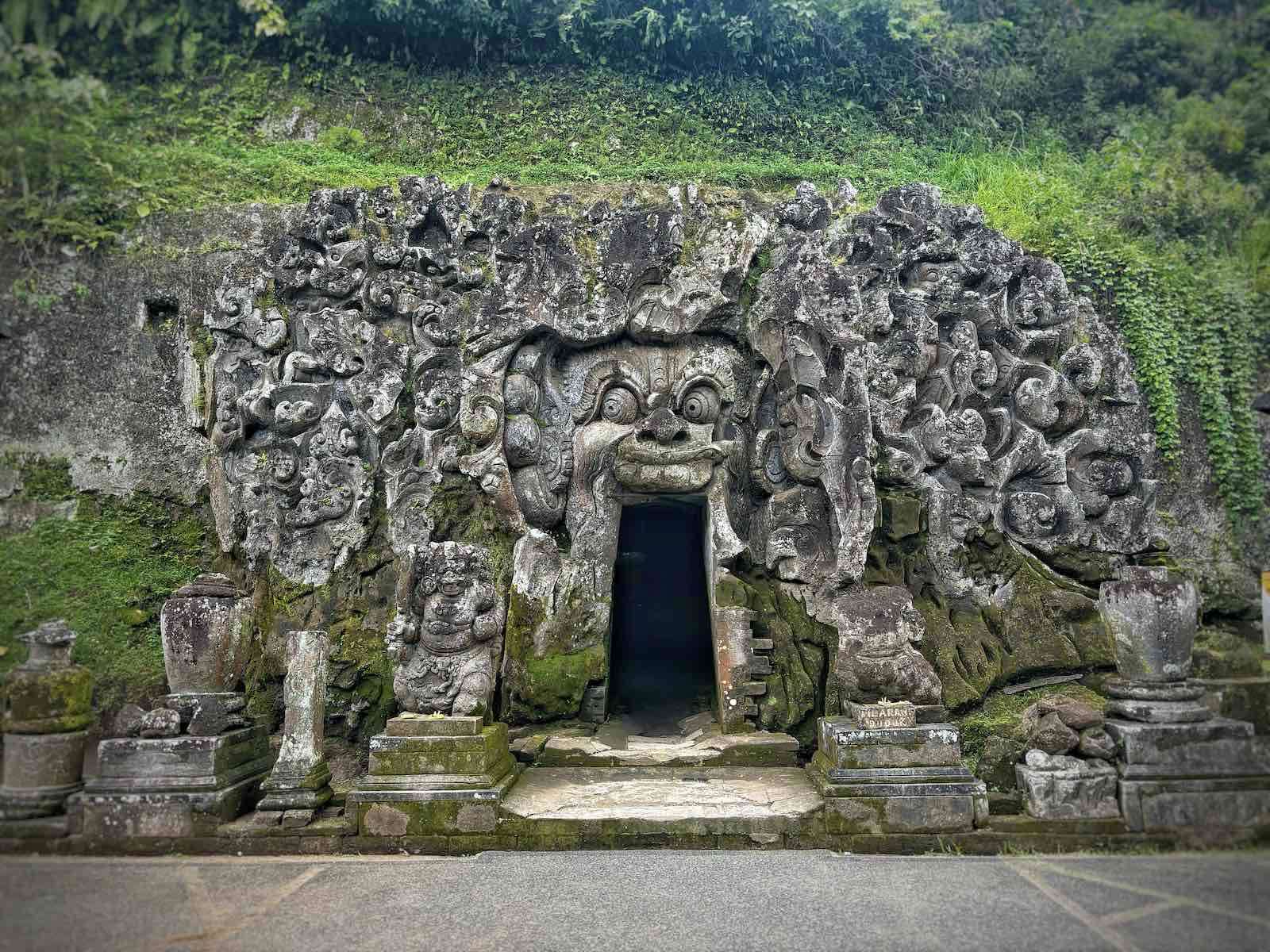
Balinese Culture

Balinese culture is rooted in a blend of ancient Hindu traditions, local animism, and a deep reverence for the natural world. Religion isn’t separate from daily life — it is daily life. Offerings are made each morning, not only in temples but also at homes, shops, beaches, and even on motorbikes. These small baskets of flowers, rice, and incense are a gesture of gratitude and balance, quietly reminding you that everything in Bali is done with intention and grace. The family unit is central, and ceremonies mark every stage of life. Art, music, dance, and craftsmanship aren’t hobbies here — they’re sacred expressions of identity and faith.
Bali Travel Guide

Temple Etiquette

Temples in Bali are not tourist attractions — they are living places of worship. When you visit, dress modestly and respectfully. Both men and women should wear a sarong and sash tied around the waist, and shoulders should be covered. Most temples will offer sarongs at the entrance if you don’t have your own. Always enter quietly, never point your feet toward a shrine, and avoid standing higher than the priest or sitting on temple structures. Women who are menstruating are traditionally asked not to enter, as Balinese beliefs consider this a spiritually sensitive time. If you see a ceremony taking place, you’re usually welcome to observe from a respectful distance, but always ask before taking photos.

Ceremonies

Ceremony is everywhere in Bali. It’s not unusual for a simple walk to the market to be interrupted by a colorful procession or music echoing from a nearby temple. From birth to death, nearly every life event is marked by ritual. Odalan, the anniversary of a temple’s founding, happens every 210 days and often involves days of dancing, praying, and communal meals. Galungan and Kuningan are among the most important religious celebrations, when spirits of ancestors are believed to visit their family homes. During these festivals, the streets are lined with beautiful bamboo poles called penjor, and the island feels even more alive than usual. Even cremation ceremonies, known as Ngaben, are public, elaborate, and incredibly meaningful events that represent the soul’s release.
Bali Travel Guide
Bali Travel Guide

Common Phrases

Learning a few words of the local language shows appreciation and always brings a smile. While most Balinese people also speak Indonesian and often some English, using Balinese greetings like “om swastiastu” when you arrive, or “suksma” to say thank you, is a simple way to show kindness. The Balinese are incredibly patient with foreigners, and even small efforts to connect through language go a long way. Smiling, nodding, and being polite in tone often communicates as much as the words themselves.

Take an Adventure to Our Featured Destinations, Contact Us Now!

We provides the best experience for you, contact us now to get attractive promotions from us.